7 Step Easy to Follow Veterinary Cleaning Checklist for Your Practice

Veterinary practices are unique workplaces with high foot fall and patients that scratch, malt hair, drool and even have some accidents! With the mixture of humans and animals alike, it’s incredibly important to ensure effective cleaning of your veterinary clinic.
Without effective veterinary cleaning protocols, practices can easily become a health hazard.
Here’s our veterinary clinic cleaning checklist to ensure effective veterinary cleaning protocols:
1. Focus on waiting and reception areas.
The waiting/reception area is the hub of a veterinary practice with lots of coming and going. With nervous and ill animals there may potentially be hazards such as urine, faeces or vomit. Any accidents should obviously be dealt with immediately, but it’s best to sanitise chairs, reception desks and floors regularly throughout the day to avoid cross contamination.
Floors should be swept frequently throughout the day to get rid of dust and hair.
2. Ensure correct biohazard disposal
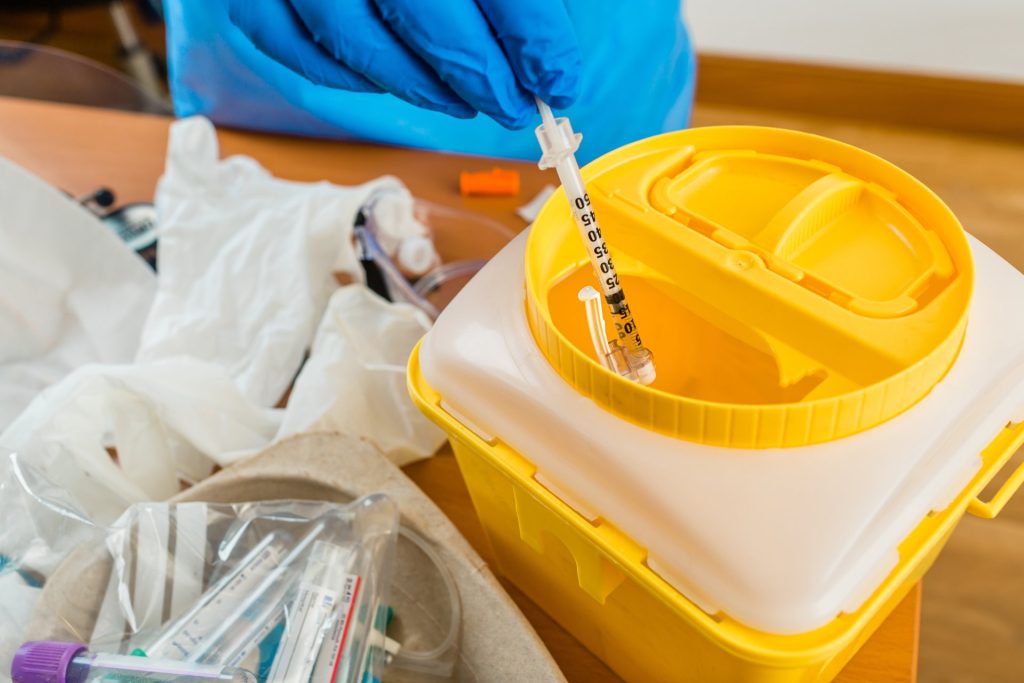
As part of your veterinary cleaning protocols, you should ensure a proper process for the removal of biohazardous materials. Veterinary practices generate lots of biohazardous waste such as needles, syringes and bandages, all that can contain infectious microorganisms. It’s imperative that these are disposed of correctly. Biohazardous waste and non biohazardous waste should be properly segregated, classified and described, packed and labelled in line with regulatory requirements. You should ensure there are biohazard waste kits for the effective handling of bodily fluids. You’ll need sharp bins that allow safe disposal of needles and blades along with clinical waste bags for clothes and other used PPE.
3. Follow strict disinfection procedures
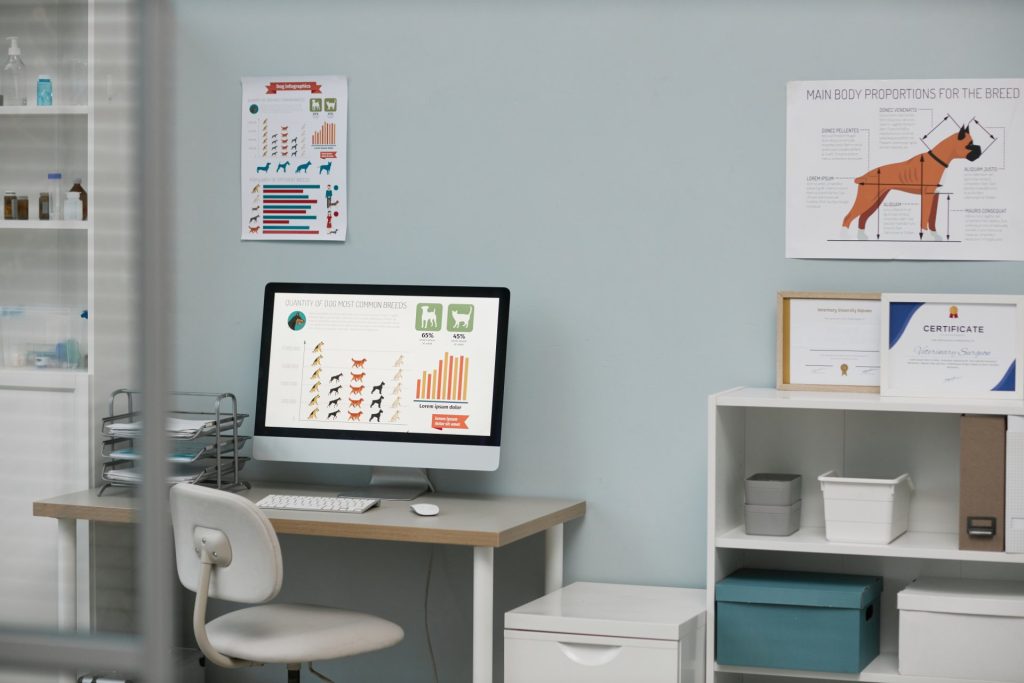
Clinic rooms, examining rooms and waiting areas all require meticulous disinfecting with vet clinic approved disinfectants. Exam rooms and clinic rooms should be disinfectant between each patient:
- 1.Remove all debris and biohazards with a biohazard kit.
- 2. Thoroughly clean the surface with soap, rinse and dry.
- 3. Apply disinfectant, allow it to sit for the time stated on instructions, rinse with damp cloth and dry.
Waiting and reception areas should have flooring or other surfaces disinfected and cleaned immediately if visibly soiled. In general they should be cleaned daily, with more frequent cleaning if an animal that comes in is infectious.
Walls, doors and windows should also be cleaned with vet clinic approved disinfectants regularly or immediately if soiled with any bodily fluids.
4. Schedule regular deep cleaning
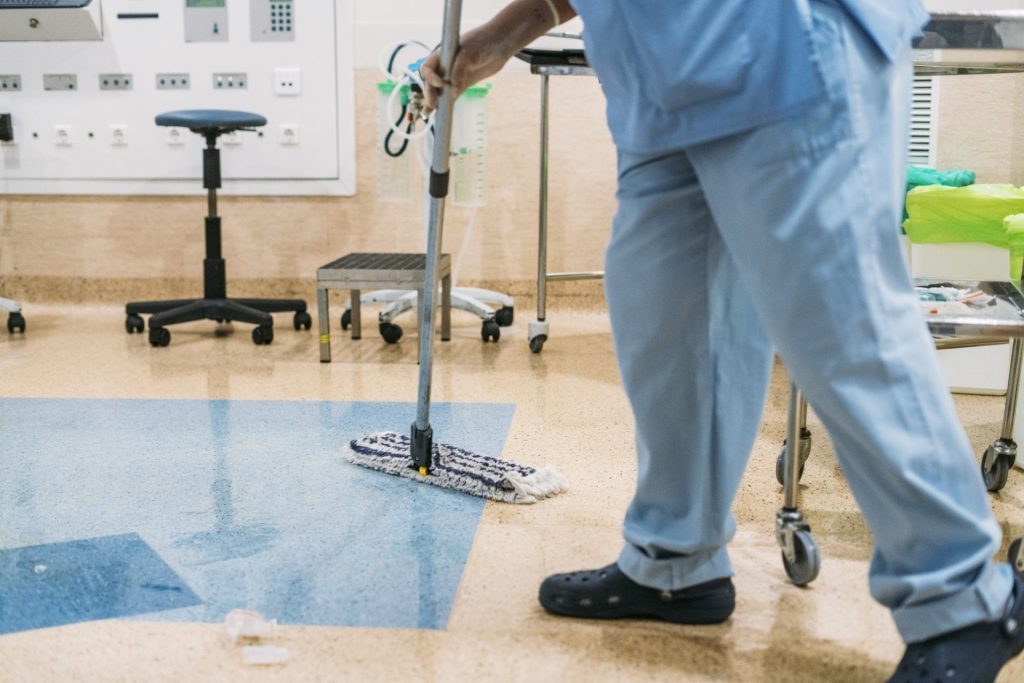
Cleaning a veterinary clinic should be done daily but it’s also recommended to schedule regular deep cleaning that will focus on areas that might not be cleaned during daily cleaning.
This might include:
- The use of specialist equipment like steam cleaners to sanitise flooring, cages and examination tables.
- Deep scrubbing with detergents to remove debris and biofilms that can cause infection.
- Deep cleaning of walls, skirting boards, doors etc that don’t get disinfected as regularly.
- Applying a veterinary grade disinfectant and leaving on for recommended time to ensure pathogens are killed.
- All kennel bedding is removed and cleaned with the surfaces being scrubbed and disinfected.
- Fogging, which uses specialist liquid solutions to kill bacteria and viruses in the air as well as pathogens found on surfaces.
- Cleaning HVAC system filters.
- Moving out equipment so cleaning can be carried out behind and underneath.
5. Don’t forget restrooms and staff breakrooms
Ensure that restrooms and staff breakrooms don’t get forgotten off your veterinary clinic cleaning checklist.
Proper cleaning of communal areas is critical for maintaining the hygiene of your vet practice. As Vets deal with potential infections and biohazards, it’s essential for sanitation of toilets and breakrooms to be upheld, to avoid the transfer of pathogens from clothes, hands and shoes etc.
Staff breakrooms have many high touch areas such as sinks, kettles, coffee machines, crockery etc. Ensure that these areas are sanitised daily and encourage staff to use antibacterial hand gel frequently to minimise the risk of germ and bacteria spread.
Restrooms can be a breeding ground for germs and bacteria that cause viruses, which is why it’s so important to ensure that they are cleaned frequently and thoroughly.
6. Focus on hand hygiene
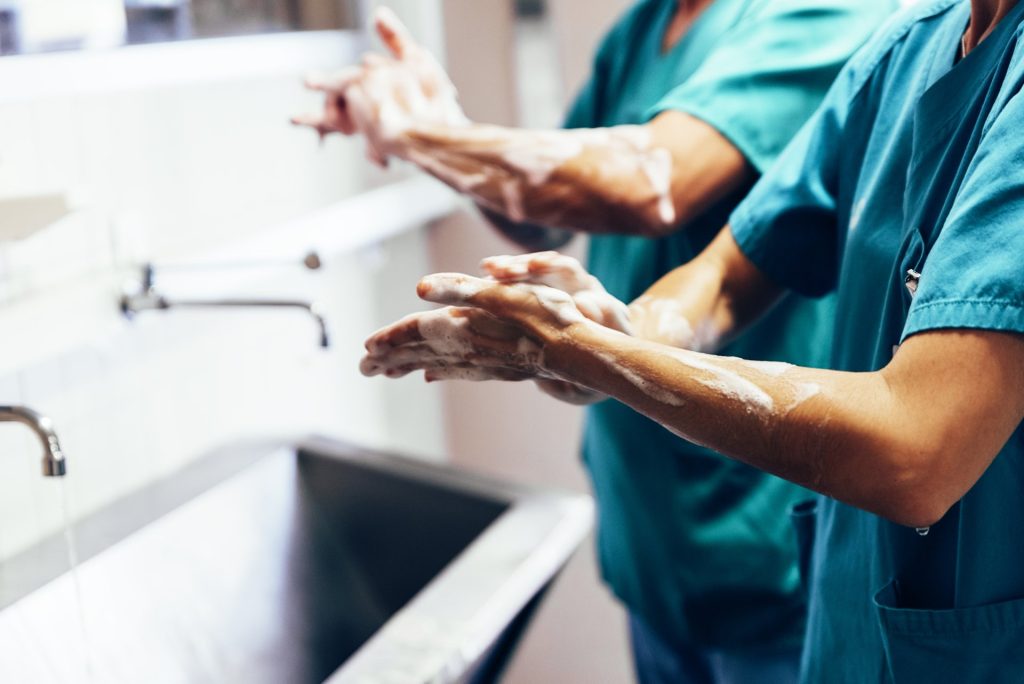
In any work environment hand hygiene is important, but within a medical setting it’s critical.
Hands should be washed immediately before and after patient contact, after contact with contaminated surfaces and after removing gloves.
Gloves and other PPE should be changed in between patients.
Keeping up hand hygiene will:
- Help to reduce cross examination, preventing bacteria and viruses spreading from one animal to another.
- Prevent vets contracting viruses that can be passed from animals to humans.
- Reduces pathogens that can cause infections
Veterinary hand cleaning protocols:
- Remove wedding rings and other hand and wrist jewellery.
- Keep finger nails short and clean.
- Reframe from wearing nail polish.
- Apply disinfectant to dry hands.
- Ensure hands are free from lesions and injuries.
- Ensure gloves are worn and hands washed after removal.
- Follow advised hand washing techniques.
7. Hire professionals
To ensure your practice adheres to veterinary cleaning protocols, it’s best to hire professional commercial cleaners to carry out your cleaning.
Professional cleaning companies will:
- Have specialist cleaning equipment
- Ensure clinical hygiene standards are upkept
- Daily operations are not disrupted
- Use animal friendly cleaning products
- Understand the unique clinical environment
- Be CQC compliant
- Understand how to prevent cross contamination
- Offer flexible cleaning contracts
- Be able to perform fogging and deep cleaning when needed
- Offer cleaning consistency
- Allow your staff to focus on caring for patients
At Total clean, we understand the unique challenges of a veterinary practice. That's why our services are designed to meet the needs of your practice, ensuring that clinical protocols are followed without disruption of your daily operations.
Whether it's daily cleaning or deep cleaning you require, you can rest assured Total clean is there to provide the best possible service.
Get in contact with us for a quote for cleaning your veterinary clinic today.
Related Posts
Total Clean Wins the 2026 BICSc Innovation Award
Read More

Total Clean Named Finalist for the 2026 BICSc Innovation Award
Read More

How Often Should an Office Really Be Cleaned
Read More
